
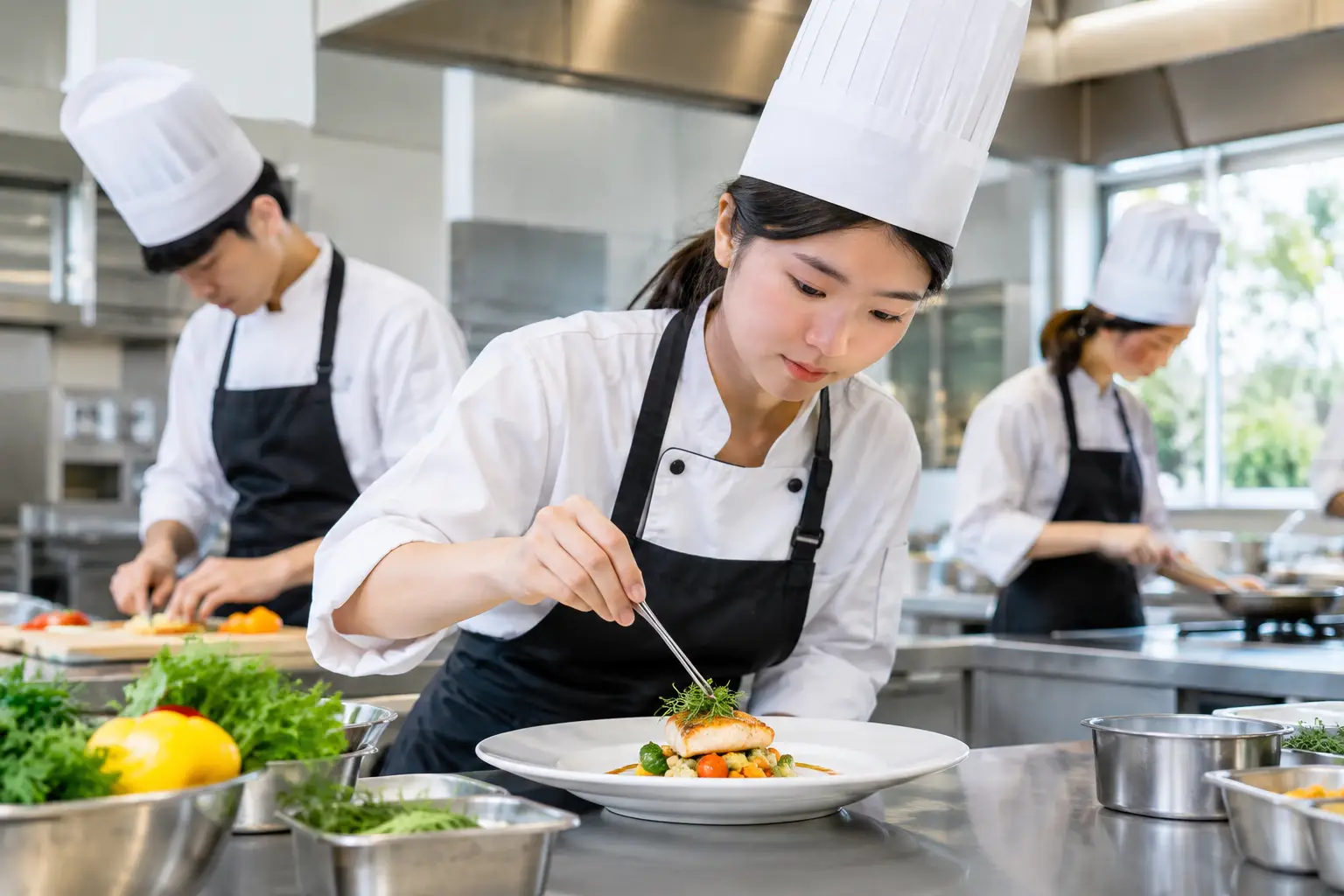
A culinary school visit should tell you more than a brochure can. Look at the kitchen. Watch how students work. Ask what they cook, how often they practice, and who gives feedback on their food. When searching for the best culinary schools Malaysia offers, the right choice is not simply the school with the biggest name. It is the place where your interest in food becomes practical ability, professional habits, and a clearer path into the industry.
For students who enjoy creating flavors, working with their hands, and seeing immediate results, culinary training can be a strong alternative to a purely classroom-based route. The key is choosing a course that matches the kind of kitchen career you want to build.
What Makes a Culinary School Worth Choosing?
There is no single school that is right for every future chef. One student may want a broad foundation in Western cooking and kitchen operations. Another may be focused on Chinese cuisine, pastry, restaurant service, or eventually working in a hotel or on a cruise ship. Start with your own direction, then assess whether the course gives you enough time, guidance, and real practice to move toward it.
A useful culinary course should be built around doing, not only watching. You need regular kitchen sessions where you prepare ingredients, use equipment safely, practice cooking methods, plate dishes, manage time, and learn what to do when a dish does not go as planned. Those small corrections are where confidence grows.
Qualifications also matter. Ask what certificate or diploma you will receive, whether it is recognized, and how it relates to further study or employment. A qualification is not a replacement for skill, but it gives employers and future education providers a clearer picture of your training.
How to Compare Culinary Schools in Malaysia
When comparing culinary schools, look beyond attractive food photos and course names. Ask direct questions about the learning experience. A school should be able to explain what happens in the kitchen each week, how students are assessed, and how instructors support different learning speeds.
Check the balance between theory and kitchen time
Food safety, costing, nutrition, menu planning, and kitchen management are all useful subjects. But culinary education needs a serious practical component. You cannot learn knife control, heat management, dough texture, or plating consistency only through notes.
Ask how frequently students are in practical sessions and whether they prepare dishes individually, in pairs, or as part of a brigade. Group work reflects real kitchen teamwork, but students also need individual practice to understand their own strengths and areas to improve.
Look closely at the training kitchen
A kitchen does not need to look like a luxury restaurant to be effective. It does need to be clean, functional, organized, and equipped for the skills being taught. Check whether students have access to relevant tools and whether the class size allows everyone to participate instead of standing back and observing.
Good facilities support learning, but instructor feedback matters just as much. A chef instructor should be able to explain why a sauce split, why a protein dried out, or why a workflow slowed the team down. Clear feedback helps you improve faster than praise alone.
Ask about instructors and industry relevance
Experienced instructors bring real standards into the classroom: mise en place, hygiene, communication, consistency, and respect for ingredients. Ask about their kitchen background and how they keep training connected to current industry expectations.
Industry relevance also means learning how kitchens actually operate. Students should understand prep schedules, food waste, portion control, service pressure, and teamwork. These skills are valuable whether you begin in a café, restaurant, hotel kitchen, catering business, or food venture of your own.
Choose a Specialization That Fits Your Interests
Culinary is a wide field. A general culinary foundation is useful if you are still exploring, while a focused course can help if you already know what excites you most. For example, students who enjoy detail, presentation, and precision may be drawn to patisserie. Those interested in traditional flavors and high-volume kitchen techniques may prefer Chinese cuisine training.
Do not choose a specialization because it seems more impressive or because someone else expects it from you. Think about the work itself. Do you enjoy fast-paced savory cooking? Do you have patience for measuring, decorating, and repeating a pastry technique until it is right? Would you rather prepare food or combine culinary skills with front-of-house hospitality?
Your answers do not have to be permanent. Many food professionals develop new interests as they gain exposure. What matters now is starting with training that gives you a strong base and keeps your options open.
Industry Exposure Should Feel Practical
A culinary school can teach methods, but exposure to real service expectations helps students understand the pace and discipline of the profession. Depending on the course, this may include industry projects, demonstrations, guest sessions, events, or work-related learning opportunities.
Ask how the school helps students prepare for this transition. Do they practice professional communication? Are they taught how to build a simple portfolio of their dishes? Do they receive guidance on interviews, kitchen conduct, and presenting themselves to employers?
These details matter because employers often look for more than technical ability. They want team members who arrive prepared, follow instructions, handle pressure calmly, and keep learning. A student who can explain their training clearly and show consistent work has a better starting point than someone who only lists a course title.
Think About Fees, Schedule, and Support Honestly
The best choice must work for your real circumstances. Before enrolling, understand the full fee structure and ask whether uniforms, ingredients, tools, assessment costs, or other materials are included. Clear information early helps you plan without surprises.
Also consider schedule and travel. A course can be excellent, but it needs to be realistic for your daily routine. If possible, visit the campus, speak with a counselor, and ask to see the learning environment. Bring your questions. You are not being difficult by asking for clarity. You are making a decision about your future.
Support matters too, especially for students who are moving from school into a more independent learning environment. Look for a place where staff explain entry requirements, course expectations, and next steps in a straightforward way. Your grades are only one part of your story. Interest, effort, reliability, and determination have a real place in skills-based training.
Where AI and Digital Skills Fit in Culinary Training
Technology is changing how food businesses plan, promote, and manage their work. Digital tools can support menu costing, recipe organization, inventory planning, content creation, and customer communication. Basic familiarity with these tools can be useful, particularly if you hope to run a small food business one day.
However, AI cannot replace the hands-on judgment of a cook. It cannot smell when garlic is burning, feel whether dough has developed properly, or taste whether a dish needs balance. The strongest training uses technology as support while keeping the focus on your practical craft.
At Ambitious Academy, students can explore skills-based learning designed around hands-on training, recognized qualifications, and industry-relevant preparation. If culinary is your direction, begin by asking what you want to be able to do by the end of the course, not just what certificate you want to hold.
Questions to Ask Before You Enroll
Before making your decision, ask how much practical kitchen training you will receive, what qualification you will earn, how assessments work, and what support is available as you prepare for employment or further study. Ask whether the course covers the style of cooking you are genuinely interested in and whether you can visit the facilities before enrolling.
Most importantly, pay attention to how the school makes you feel. You should leave with a clearer idea of the work ahead, not vague promises. Culinary training asks for discipline, repetition, and resilience, but it also gives you the satisfaction of building a skill people can see, taste, and remember. Start with a visit, ask honest questions, and choose the kitchen where you are ready to put in the work.