
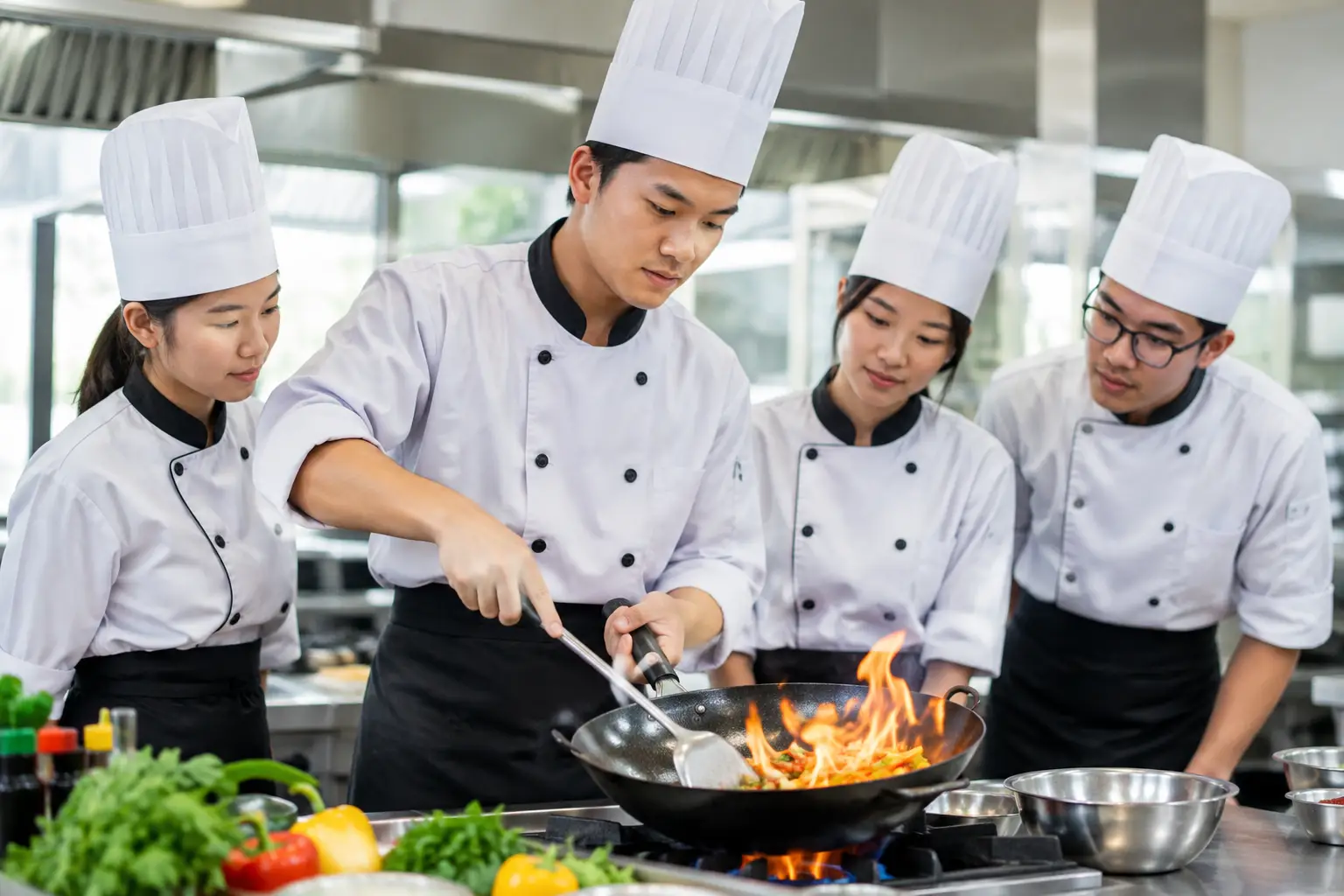
A busy Chinese kitchen runs on more than good recipes. It demands sharp knife work, heat control, timing, teamwork, cleanliness, and the calm judgment to keep dishes consistent during service. If you are searching for a “chinese cuisine diploma malaysia,” look beyond the course name. The right program should put you in a working kitchen often enough to build habits that employers and customers can taste.
For students who enjoy food, movement, and practical work, Chinese cuisine can be a focused starting point for a career in food and beverage. You do not need to have every career decision mapped out before you begin. You do need the willingness to practice, accept feedback, and improve one service at a time.
What a Chinese Cuisine Diploma in Malaysia Should Teach
Chinese cuisine is broad. Cantonese-style steaming, stir-frying over high heat, dim sum preparation, soups, roasting techniques, and regional flavor profiles all require different methods. A useful diploma does not treat these as dishes to memorize. It teaches the principles behind them, so you can adjust when ingredients, equipment, or a chef’s standards change.
Start with the foundations. You should expect regular practice in food preparation, knife skills, stocks, sauces, marinades, ingredient handling, plating, and kitchen sanitation. These may sound basic, but they shape every shift in a professional kitchen. A clean workstation and properly prepared mise en place help you work faster without losing control.
Heat management is equally important. Wok cooking, for example, is not simply about turning up the flame. You need to understand when to add ingredients, how much to cook at once, and how to preserve texture. A vegetable that is bright and crisp, a protein that is tender, and a sauce that coats rather than floods a plate are all signs of attention to technique.
A strong program should also cover menu planning, food costing, purchasing awareness, portion control, and kitchen operations. These skills matter whether you eventually work in a restaurant, hotel, catering business, central kitchen, or your own food venture. Cooking ability gets you noticed. Reliability, consistency, and cost awareness help you grow.
Practice matters more than watching
Demonstrations are useful, especially when learning unfamiliar techniques. But watching an instructor handle a cleaver or prepare dumplings is not the same as doing it yourself repeatedly. Look for training that gives students meaningful time at individual or shared workstations, with instructors correcting technique as they go.
Practical assessment is valuable because it reflects real kitchen expectations. Can you organize your station? Can you follow a production schedule? Can you cook safely under time pressure and present a finished dish at the required standard? These are more useful questions than whether you can recite a recipe word for word.
How to Choose Your Diploma Program
Not every Chinese cuisine diploma in Malaysia has the same balance of practical training, academic content, and industry exposure. The best choice depends on your goal. A student aiming for an entry-level restaurant role may prioritize intensive kitchen practice, while someone who wants to manage a family food business may need stronger operations and costing knowledge.
Before enrolling, ask how the timetable is structured. Find out how many hours are spent in practical kitchens compared with classrooms, what equipment students use, and whether ingredients are provided for training. Ask how often students are assessed through real cooking tasks rather than written assignments alone.
It is also worth checking the qualification attached to the program and how it is recognized. Request clear information about the awarding body, entry requirements, assessment method, and completion requirements. A diploma is more useful when you understand exactly what it represents and how it supports your next step.
Industry exposure can make a difference too. Guest chefs, kitchen simulations, competitions, external projects, or internship opportunities can show you the pace and standards of professional food service. They are not a substitute for core training, but they can help you understand where your interests fit.
When visiting an academy, pay attention to the kitchen itself. Is it organized? Are safety practices visible? Do students appear to be actively preparing and cooking? Speak with an education consultant about the actual learning experience, not only the brochure. The right questions now can save you from choosing a course that does not match how you learn.
From Classroom Kitchen to Career Direction
A Chinese cuisine diploma can lead in several directions, and your first role does not have to define your whole career. Many graduates begin as kitchen assistants, commis chefs, prep cooks, or junior cooks. These positions are where you learn station discipline, communication, speed, and the standards that hold a kitchen together.
With experience, you may focus on a particular area such as wok cooking, dim sum, roasting, banquets, or sauces. Some chefs prefer the energy of restaurant service. Others enjoy hotel kitchens, catering production, event work, food product development, or operating a small stall, delivery brand, or café concept. The path depends on your strengths and the kind of work environment you want.
There are trade-offs. Restaurant work can involve long hours, weekend shifts, and physically demanding service. It also gives you direct exposure to pace, volume, and teamwork. A small business offers more independence, but it requires discipline with purchasing, pricing, customer service, and daily operations. Training helps you start with useful skills, but experience will keep shaping your direction.
Digital tools support good kitchen judgment
Modern food businesses increasingly use digital systems for ordering, inventory, recipe costing, scheduling, menu design, and customer feedback. Basic digital confidence can make you more effective, particularly if you plan to supervise a team or run your own operation.
AI tools may help with early menu research, organizing recipe notes, drafting promotional ideas, or comparing ingredient information. However, they cannot smell a sauce, judge the texture of a steamed bun, or make a safe decision during a busy service. Treat technology as support for your craft, not a replacement for hands-on skill and professional judgment.
Build Habits Before You Enroll
You can start preparing before the first class. Practice keeping your home cooking area clean and organized. Learn to read recipes carefully, weigh ingredients, and prepare a simple dish more than once until the result is consistent. Consistency is one of the clearest signs that you are developing as a cook.
You can also build your food knowledge by observing. When you eat at a Chinese restaurant, notice texture, temperature, balance, presentation, and portion size. Ask yourself why a dish works. Is the sauce light or rich? Is the wok aroma present? Does a steamed item remain soft without becoming wet? Curiosity gives your practice a purpose.
Do not be discouraged if your first attempts are uneven. Every chef has overcooked ingredients, missed timing, or struggled with a new technique. What matters is whether you identify the problem, take the feedback seriously, and try again with a clearer method.
At Ambitious Academy, practical skills training is designed around real learning experiences and industry-relevant habits. If Chinese cuisine is where your interest is strongest, ask for a consultation, visit the training environment, and clarify the program details that matter to you before making a decision.
Your future in the kitchen will not be built by one impressive dish. It will be built through the everyday discipline of preparing well, cooking with care, and showing up ready to improve.