
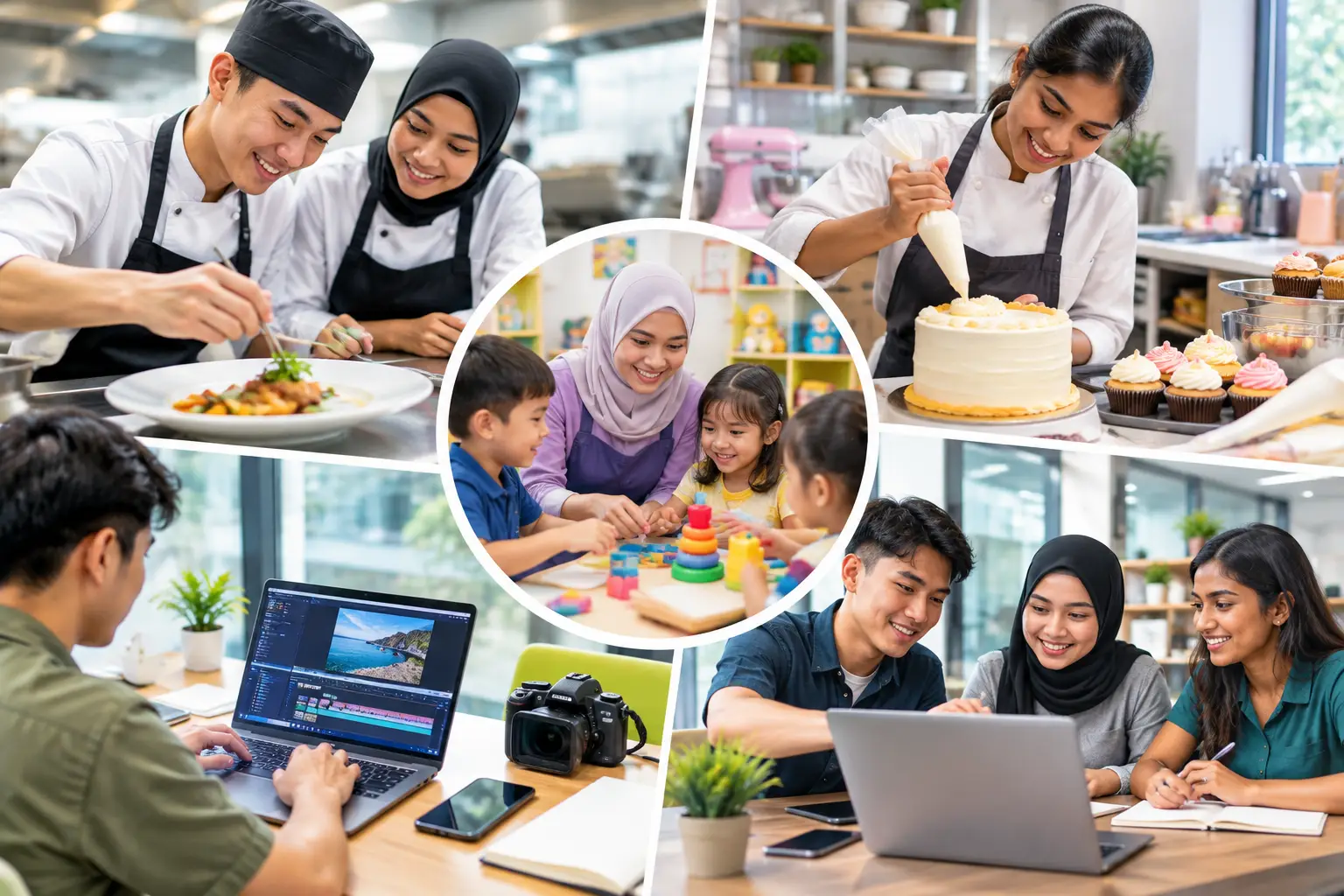
A ship can carry thousands of guests, but a guest may remember one small moment: a calm welcome after a long journey, a perfectly prepared table, or a crew member who solves a problem without fuss. That is why a useful cruise training review should look beyond glamorous travel photos. The real question is whether a program prepares you to deliver excellent service, work with discipline, and stay steady when the pace becomes demanding.
For students who enjoy food, hospitality, meeting people, and practical work, cruise careers can be an exciting direction. They can also be highly structured. Before you choose a course, look closely at what you will practice, who will teach you, and how the training reflects the reality of hospitality at sea.
What a Cruise Training Review Should Actually Assess
A course is not valuable simply because it uses the word “cruise.” Training should build skills that remain useful across hotels, restaurants, resorts, events, and guest-service environments too. That flexibility matters, especially when you are planning a long-term career rather than chasing one job title.
Start with the learning environment. Are students only listening to lessons about service, or are they setting tables, carrying trays, taking orders, preparing beverages, handling guest requests, and practicing professional communication? Hospitality is learned through repetition. You need time to make small mistakes in a supervised setting, then correct them until the right standard becomes natural.
Our mentors believe practical confidence is built one service sequence at a time. For example, greeting a guest sounds simple. Yet it requires eye contact, a clear voice, awareness of personal space, accurate information, and the ability to remain warm even when several guests need attention at once. Those details separate casual service from professional hospitality.
The Skills That Matter on Board and Beyond
Cruise and hospitality work brings different departments together. A guest experience may involve front-office service, housekeeping, food and beverage, culinary teams, entertainment, retail, and guest relations. You do not need to become an expert in every area, but you should understand how your role affects the wider team.
Food and Beverage Service
Many entry-level hospitality paths require strong food and beverage foundations. Look for training that covers table settings, sequence of service, menu knowledge, order-taking, tray handling, basic beverage service, hygiene, and guest recovery. Guest recovery means responding professionally when something goes wrong, such as a delayed meal or an incorrect order.
This is where hands-on practice matters most. A student may know the correct steps on paper but still need coaching on speed, posture, tone, and accuracy during a busy mock service. Repeated practice helps you stay organized without sounding rehearsed.
Communication Across Cultures
Cruise environments bring together guests and crew from many countries. Clear English communication is useful, but communication is not only about vocabulary. It also includes listening carefully, checking understanding, avoiding assumptions, and adapting your tone to the situation.
A good program should give you opportunities to speak with confidence, handle common service scenarios, and practice respectful teamwork. You may be working alongside people with different routines, accents, and expectations. Curiosity, patience, and professionalism go a long way.
Hygiene, Safety, and Personal Discipline
Hospitality standards are built on habits that guests may never see. Clean workstations, proper handwashing, safe food handling, tidy uniforms, punctuality, and accurate procedures protect both guests and colleagues.
Training should make these routines non-negotiable. In a practical kitchen or service setting, students learn that being five minutes late affects the whole team. Forgetting one preparation step can slow down service. These are not reasons to feel discouraged. They are lessons in accountability, and accountability is a skill employers recognize.
Problem-Solving Under Pressure
A guest might ask for a dietary adjustment, a family may arrive at the same time as a large group, or a colleague may need support during a rush. The answer is rarely panic. It is learning to prioritize, communicate, and ask for help early.
Role-play can be especially useful here. When students practice difficult scenarios with mentors and classmates, they learn to respond with composure instead of freezing. The goal is not to memorize a perfect script. It is to develop sound judgment and a service mindset.
Check the Qualification, Not Just the Course Name
Course titles can sound impressive, so take time to understand the qualification behind the training. Ask whether it is recognized, what competencies it covers, how students are assessed, and whether the program includes practical evaluations. A credible qualification should reflect real skills, not just attendance.
It is also worth asking what evidence you will build during your studies. This may include service assessments, practical tasks, menus, event setups, presentations, or a portfolio of completed work. These materials can help you explain your ability during future interviews.
At Ambitious Academy, we focus on industry-relevant training because students need more than theory when they step into a professional environment. For cruise and hospitality learners, that means developing service discipline, communication, food and beverage awareness, and confidence through active practice.
How Digital Tools and AI Can Support Hospitality Skills
Technology will not replace the human attention that makes a guest feel welcome. It can, however, help you prepare better. Digital tools can support scheduling, menu knowledge, service checklists, language practice, presentation planning, and research into hospitality trends.
AI can be a useful study partner when used responsibly. You might use it to generate practice guest scenarios, refine a professional introduction, organize revision notes, or rehearse responses to common interview questions. Then bring that preparation into real practice with your mentors and classmates.
The important balance is simple: technology can speed up preparation, but your judgment, attitude, and human touch create the experience. No tool can replace the awareness needed to notice that a guest is confused, tired, celebrating, or in need of assistance.
Questions to Ask Before You Enroll
Before committing to any cruise or hospitality training program, ask direct questions. How many hours are practical? What facilities will you use? Who provides feedback during service practice? What qualification will you receive? How does the program prepare you for professional interviews and workplace expectations?
Also ask yourself a few honest questions. Do you enjoy serving people, even on busy days? Can you follow standards consistently? Are you open to feedback? Do you want skills that can travel with you across hospitality settings? There is no need to have every answer on day one. Determination and willingness to practice are a strong starting point.
A Realistic Way to Prepare for a Cruise Career
Cruise work may involve long shifts, shared responsibilities, time away from home, and high service expectations. It can also offer meaningful exposure to international hospitality standards and a chance to meet people from many backgrounds. Whether it is the right path depends on your personality, goals, and readiness for a structured environment.
Begin by building a reliable foundation. Practice speaking professionally. Learn to work cleanly and efficiently. Take feedback seriously. Build comfort with food and beverage service, teamwork, and guest interaction. These are the skills that remain valuable whether your next step is on a ship, in a hotel dining room, at a resort, or in an event venue.
If you are considering training, visit the learning environment, speak with the team, and ask to understand the practical experience you will receive. Your future in hospitality does not start when you board a ship. It starts with the standards you choose to practice every day.