
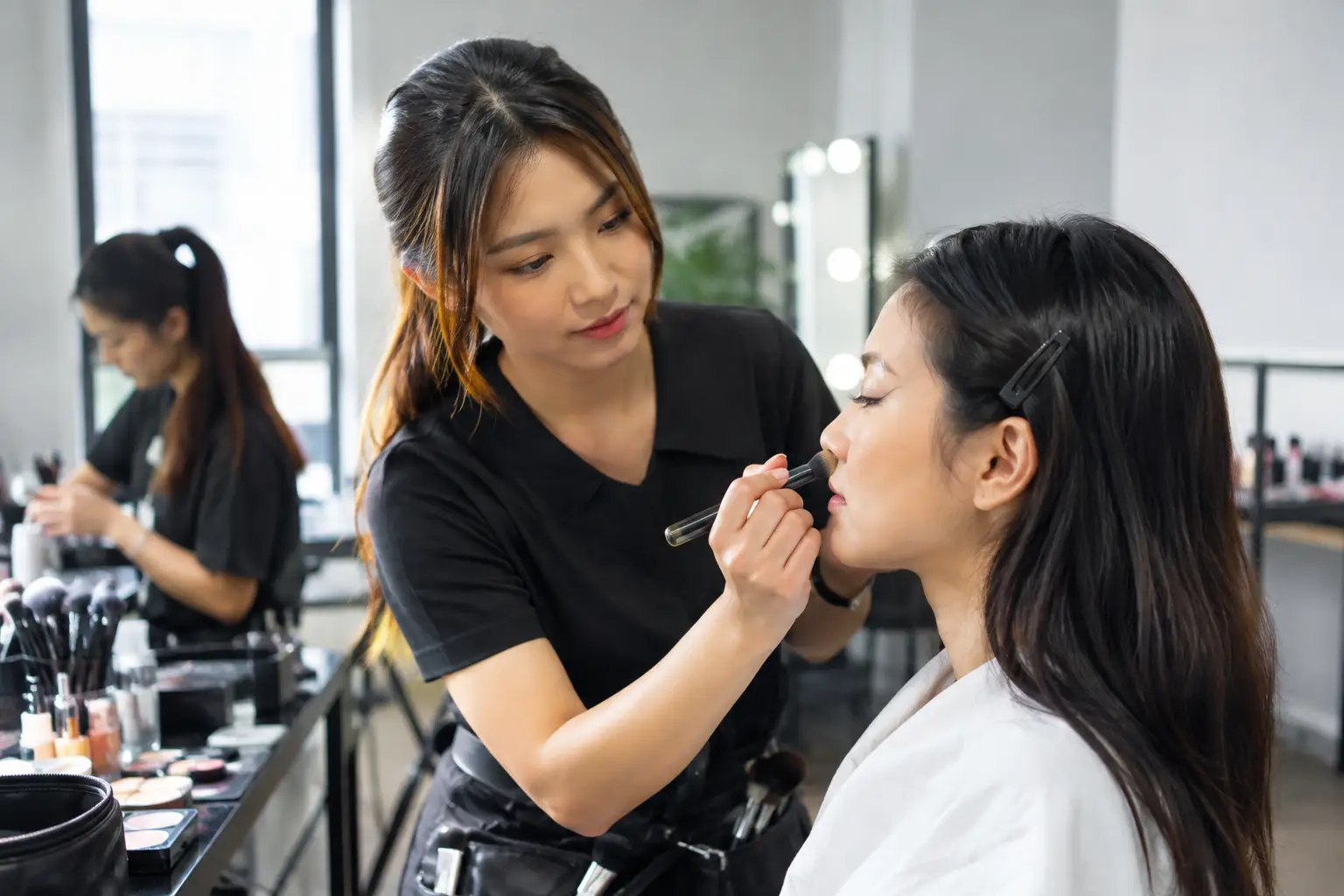
A great makeup look can take an hour to create, but the confidence behind it comes from repetition, correction, and real client practice. This professional makeup training guide is for students who enjoy beauty, creativity, and working with people, and who want to turn that interest into a practical skill they can use in the industry.
Professional makeup is not just about copying a look from social media. You need to understand skin, face shapes, hygiene, color, product performance, timing, and client communication. The good news is that these are learnable skills. Your starting point does not have to be perfect. What matters is your willingness to practice with purpose.
What Professional Makeup Training Should Teach You
A useful makeup course should put tools in your hands early. Watching demonstrations is helpful, but your technique develops when you are blending foundation on different skin types, adjusting an eyebrow shape, correcting an uneven eyeliner wing, and working to a realistic time limit.
Training should begin with skin preparation. Makeup sits differently on dry, oily, textured, mature, and combination skin. Learning to assess skin before selecting products helps you create a finish that looks polished in person, not only under a ring light. You should also learn sanitation from day one: cleaning brushes, using disposable applicators where needed, decanting products safely, and keeping your station organized.
From there, a strong foundation includes complexion matching, concealing, contour and highlight placement, brow shaping, eye makeup, false lashes, blush, lip application, and setting techniques. These may sound basic, but professional results come from understanding why a technique works and when to adjust it.
For example, a full-coverage foundation may photograph beautifully for a formal event but feel uncomfortable in Malaysia’s heat. A soft, lightweight base may better suit a daytime client. There is no single “correct” product choice. The client, occasion, lighting, skin condition, and requested style all matter.
Build Your Makeup Skills in the Right Order
Beginners often want to jump straight to dramatic cut creases or editorial looks. Creative looks have their place, but a reliable artist first learns the techniques clients request most often: clean natural makeup, soft glam, event makeup, bridal-inspired looks, and makeup that lasts.
Start With Skin and Complexion
Your complexion work is the first thing people notice. Practice shade matching on a variety of undertones, not just your own. Learn to identify whether skin leans warm, cool, neutral, olive, or golden, while remembering that undertone and surface redness are not the same thing.
Then practice creating different levels of coverage. A professional should be able to build a light base for a natural finish, conceal specific areas without making the face look heavy, and create a more polished finish when the occasion calls for it. Take photos in daylight and indoor lighting. Makeup that appears smooth in a mirror can reveal flashback, uneven blending, or incorrect color matching on camera.
Train Your Eyes for Balance
Makeup is often less about applying more product and more about noticing small differences. Is one brow higher? Are the eyeliner wings equally angled? Does one eye look darker because the shadow was blended differently? These details improve with deliberate practice.
Work on one feature at a time. Spend a practice session on brows, another on eyeshadow blending, and another on lip shaping. When you try to improve everything at once, it is harder to see what needs attention. Photograph your work, compare both sides of the face, and write down one adjustment for your next model.
Learn Looks, Not Just Trends
Trends move quickly. A technique popular this year may not suit every client or event. Training gives you a more dependable base: how to create structure, adapt colors, and change intensity without losing the client’s natural features.
You should be able to take one core technique and adjust it. A soft neutral eye can become a daytime look with lighter lashes, a formal look with deeper definition, or a photo-ready look with more contrast. This flexibility makes your skill more useful than memorizing one viral style.
Choose a Starter Kit That You Can Actually Use
Your first kit does not need every product available. Start with dependable basics, then build based on the types of looks you practice and the clients you hope to serve. Buying too much too early can leave you with products that expire before you learn how to use them well.
A practical starter kit should include:
- Skin prep products suited to common skin needs, plus disposable tools for hygienic application.
- A small range of complexion products that can be mixed and adjusted across several skin tones.
- Brushes for complexion, powder, eyes, and lips, along with brush cleanser and sanitizing supplies.
- Neutral eye, cheek, and lip colors that work for natural, soft glam, and event looks.
- Lash tools, setting products, a mixing palette, tissues, cotton swabs, and a clean working bag or case.
As you gain experience, you can invest in specialist products, more shades, airbrush equipment, or creative colors. Let your actual work guide your purchases. A kit should help you work cleanly and efficiently, not become a distraction.
Practice on More Than One Face
Practicing on yourself is useful for learning product feel and placement, but it is not enough for professional development. Your face has one skin tone, one eye shape, one brow pattern, and one set of preferences. Clients will not.
Work with friends, classmates, or volunteer models who are comfortable being photographed. Ask for different skin types, ages, face shapes, and makeup preferences. Always communicate clearly before you begin. Find out what they like, whether they have allergies or sensitivities, and how long they need the makeup to wear.
This is where hands-on training makes a real difference. An instructor can point out issues you may not see, such as using too much powder around texture, placing contour too low, or choosing a foundation that oxidizes. Feedback may feel direct, but it saves you from repeating the same mistake for months.
Create a Portfolio That Shows Real Ability
A portfolio is evidence of your progress, not a collection of heavily filtered photos. Choose clear images that show the makeup properly. Use clean backgrounds, consistent lighting where possible, and close-up shots of the complexion and eyes.
Include a range of looks, but keep it intentional. Five well-executed faces are stronger than twenty rushed ones. Show natural makeup, soft glam, a more formal look, and work on different face shapes and skin tones. If you include creative work, make sure it supports the kind of opportunities you want.
Do not hide every texture line or skin detail with editing. Clients need to see your blending, color choices, and finish. Good photography matters, but honest work builds more trust than a face that no longer looks real.
Train for the Working Environment
Technical ability is essential, yet it is only part of being professional. A client remembers whether you were prepared, calm, clean, punctual, and respectful of their preferences. Practice setting up your station quickly, checking your kit before appointments, and giving yourself enough time for touch-ups.
You also need to learn how to listen. A client may ask for “natural” makeup but mean polished skin, defined brows, soft lashes, and a nude lip. Ask a few practical questions and use reference images when appropriate. It is better to clarify before applying product than to redo a full face later.
Digital tools can support your progress too. Use a simple phone folder to organize before-and-after photos, track the products used on each look, and review your work over time. AI can help you plan content ideas or organize study notes, but it cannot replace the judgment you develop while working on real faces.
Why Structured Training Helps
Learning from tutorials can inspire you, but structured professional makeup training gives your practice a sequence. You receive guidance on hygiene, technique, client care, industry expectations, and how to improve when something does not go as planned. Recognized qualifications can also show employers or clients that you completed training with clear standards.
At Ambitious Academy, students can build practical makeup skills through hands-on learning designed around real workplace habits. The goal is not to make every student create the same face. It is to help each student develop the control, confidence, and professionalism to adapt their skills.
Your first makeup look may not be portfolio-ready, and that is completely normal. Keep practicing with care, accept useful feedback, and focus on the next improvement. Every clean blend, accurate shade match, and happy model is a step toward work you can be proud to put your name on.