
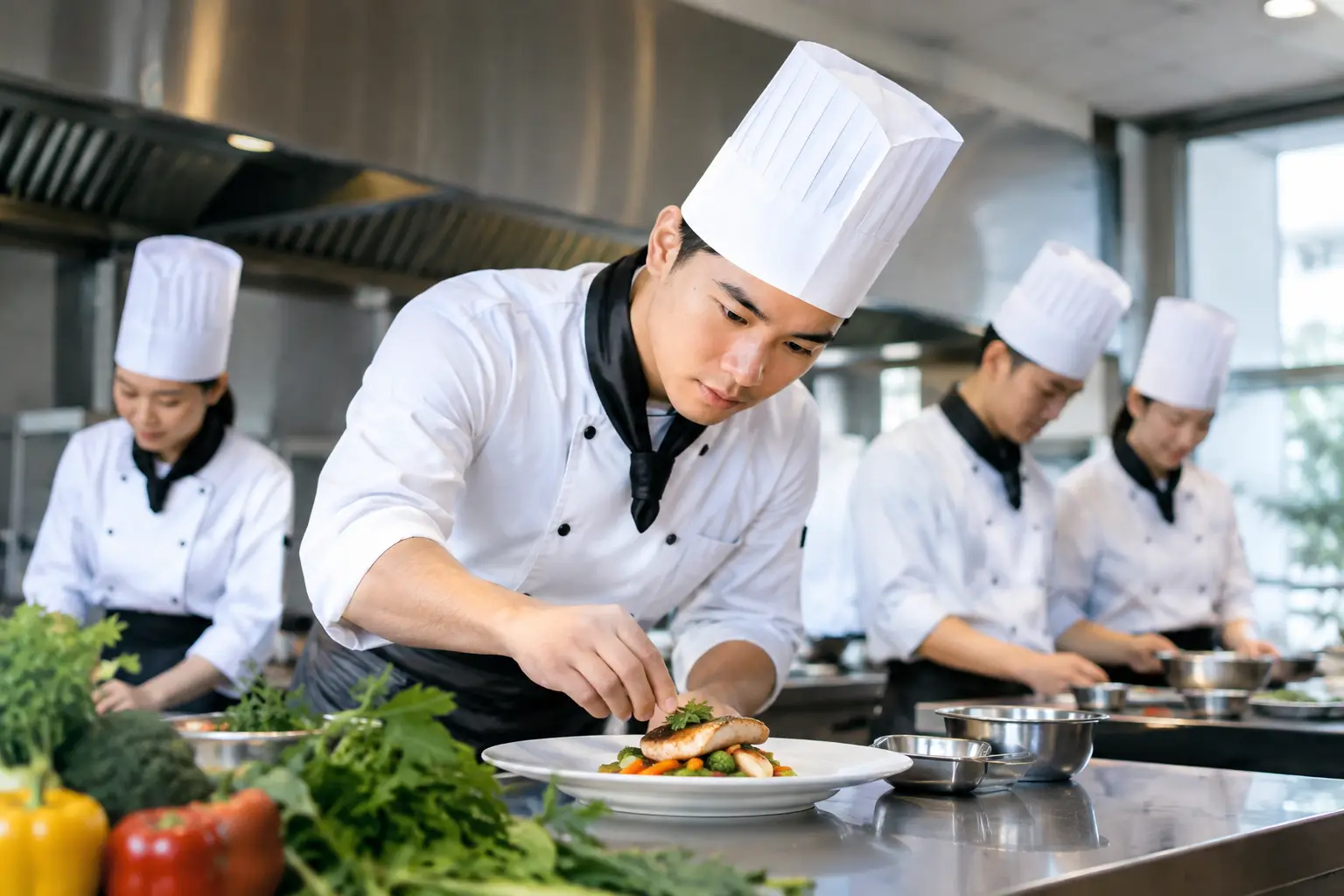
The dinner rush does not wait for a chef to finish reading a textbook. Orders arrive, prep runs low, a sauce needs correcting, and the team needs clear direction. That is why choosing an executive chef diploma malaysia is about more than finding a course with an impressive name. It is about learning how a professional kitchen works when the heat is on.
For students who enjoy cooking, creating food, and working with a team, culinary training can turn that interest into a practical career direction. The right diploma should give you repeated kitchen practice, industry-relevant knowledge, and the confidence to take responsibility for more than one dish.
What an Executive Chef Diploma Should Teach You
An executive chef is not simply the person with the tallest hat in the kitchen. The role combines culinary ability with planning, leadership, consistency, food safety, and cost awareness. A diploma should therefore build skills beyond recipes.
You should expect to spend meaningful time developing core cooking methods. This includes knife skills, stocks and sauces, cooking proteins and vegetables correctly, plating, menu preparation, kitchen hygiene, and safe food handling. These basics matter because every cuisine and every workplace will expect them.
As your skills develop, training should introduce the bigger picture of kitchen operations. A chef may need to organize mise en place, manage ingredient use, maintain standards during service, and communicate with front-of-house staff. Learning to work cleanly, quickly, and calmly is just as valuable as learning a new technique.
A useful program also gives students opportunities to work with different styles of food. Exposure to Western cuisine, Asian flavors, modern presentation, and local ingredients can help you understand the range of work available in Malaysia’s food and hospitality sector. The exact curriculum matters, so ask to see what is taught rather than relying on a course title alone.
Why Hands-On Training Matters More Than Watching
Cooking videos can inspire you, but they cannot correct your grip, taste your seasoning, or show you how to recover when a dish does not go to plan. Kitchen confidence comes from doing the work repeatedly under guidance.
In practical culinary training, students learn through preparation, cooking, tasting, feedback, and improvement. You may prepare the same fundamental dish more than once because repetition is how speed and consistency develop. A chef needs to know not only how a dish should look, but how it should smell, taste, feel, and hold up during service.
Look for training conducted in a proper learning kitchen where students can practice with relevant equipment and ingredients. Class size, kitchen time, and instructor feedback can make a real difference. A program with a strong practical component suits students who learn best by working with their hands and seeing immediate results.
At Ambitious Academy, skills-based learning is designed around practical training and industry relevance. For a prospective culinary student, that mindset matters: you are preparing for real kitchen expectations, not only for an exam.
The Qualification Question: What Should You Check?
Not all diplomas carry the same structure, assessment method, or recognition. Before enrolling in an executive chef diploma in Malaysia, take time to understand exactly what qualification you will receive and how it supports your next step.
Ask the academy whether the program has recognized credentials, what organization awards or validates the qualification, and whether it is suitable for the roles you want to pursue. If you hope to work in hotels, restaurants, catering, bakeries, cruise hospitality, or eventually overseas, explain that goal during your consultation. The most suitable pathway depends on where you want your skills to take you.
Also ask how students are assessed. A culinary qualification should not be based only on written assignments. Practical assessments, kitchen observation, food safety standards, recipe execution, and teamwork provide a more realistic picture of your ability.
Recognition is valuable, but it is not a substitute for competence. Employers will also notice how you work, whether you can follow systems, how you communicate, and whether your food is consistent. The strongest training combines a credible qualification with habits that make you reliable in a professional kitchen.
From Student Kitchen to Professional Kitchen
Many students begin culinary training with a clear passion for food but little experience of kitchen routines. That is normal. The purpose of a diploma is to give structure to that passion and help you build professional habits step by step.
Your first role after training may not be executive chef, and that is not a setback. Most chefs build their careers through kitchen positions such as commis chef, cook, kitchen assistant, or chef de partie, depending on their experience and the workplace. Each role teaches something different: prep discipline, station control, timing, teamwork, or menu execution.
This progression is one reason practical exposure matters. Students who understand kitchen hierarchy and service flow are better prepared to enter a team, take feedback, and keep improving. A good program should help you develop a portfolio of practical work and the confidence to explain what you can do in an interview.
Industry exposure can also help you test your interests. You may find that you enjoy high-volume restaurant service, hotel kitchens, catering events, pastry work, Chinese cuisine, or food and beverage operations. It is better to discover your preferred environment while learning than to assume every culinary job looks the same.
Modern Kitchen Skills Include Digital Awareness
Professional kitchens still depend on hands, heat, taste, and judgment. Technology should support those skills, not replace them. A chef must still recognize when a steak is correctly cooked, when a sauce needs balance, and when a team needs better direction.
However, digital tools are becoming more relevant to kitchen operations. Recipe costing spreadsheets, inventory systems, digital ordering platforms, and social media content for food businesses can all be part of modern hospitality work. AI tools may assist with early menu ideas, organizing ingredient information, or drafting promotional content, but they cannot replace a chef’s palate, food safety knowledge, or decision-making during service.
Students should learn to use digital tools carefully and professionally. The goal is not to rely on technology for answers. It is to save time on routine tasks while keeping culinary skill, quality control, and human judgment at the center.
How to Choose the Right Culinary Diploma
Start with your goal. If you want broad professional kitchen skills, choose a program with substantial cooking practice and operational training. If your strongest interest is desserts, breads, and plated sweets, a patisserie-focused course may be a better fit. If you are drawn to specific culinary traditions, look for focused training that gives those techniques proper depth.
Then visit or speak with the academy. Ask how often students train in the kitchen, what equipment they use, who teaches them, and what kind of feedback they receive. Request clear information about entry requirements, duration, fees, assessment, qualification, and whether industry exposure is included. A good consultation should help you make a decision, not pressure you into one.
Finally, be honest about what you are ready to bring. Culinary work requires energy, attention to detail, cleanliness, punctuality, and a willingness to practice. You do not need to know every technique before you begin. You do need the determination to learn, accept feedback, and keep improving when a dish is not right the first time.
An executive chef diploma can be a strong starting point when it gives you real kitchen time, recognized learning outcomes, and a clearer route into the industry. If cooking is where your focus and strengths come alive, take the next practical step: compare the training, ask direct questions, and choose a program that puts you in the kitchen where your skills can grow.