
EXECUTIVE CHEFS APPRENDICESHIP PROGRAM
Learn professional culinary arts. With Generative AI.
We don’t just train cooks—we build the next Executive Chefs.
No Shortcuts. No Fake Promises.
Others promise you 'easy'. We prepare you for 'real'.
This is a serious path for future Executive Chefs. Are you ready?
This is an apprenticeship, not just a “work-study” program.
Stage One
On-campus intensive training (2 months)
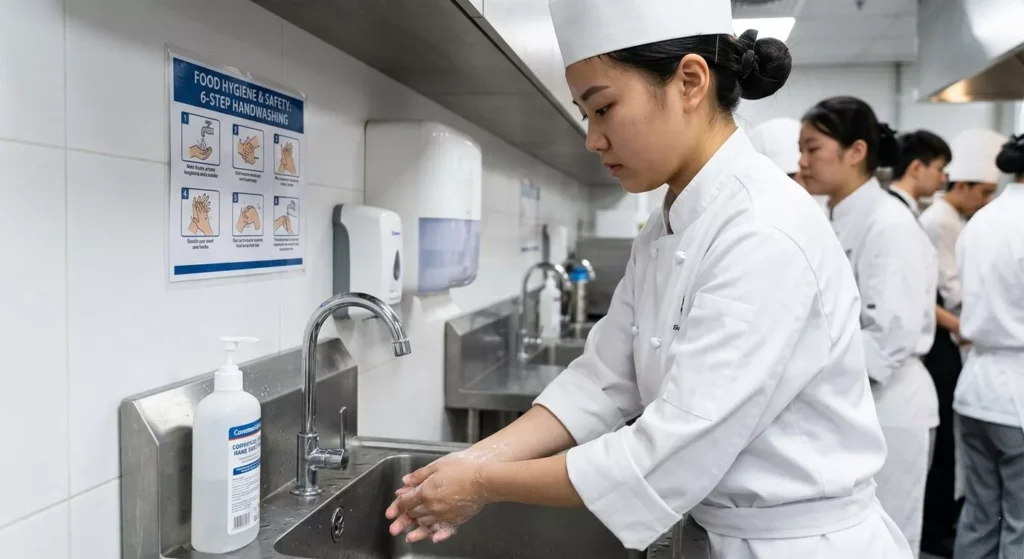
Basic Module
Intermediate Module
Advanced Module
- Food Hygiene & Food Safety
- Professional Workplace Standards
- Mise En Place
- Knife Skills
- Egg
- Vegetable Preparation
- Soups
- 5 Mother Sauce
- Stocks
- Meat & Poultry
- Pasta & Grain
- Fish & Shellfish
- Salad & Cold Dishes
- Farinaceous Dishes
- Parent Day
- Food Preparation & Technique
- Modern Cooking Techniques
- Plating & Presentation Skills
- Prepare Food for Cold Presentation
- Fusion Cuisine
- Game & Lamb
- Prepare, Cook & Finish Bakery Products
- Prepare, Cook & Finish Stocks, Soups & Sauces
- Prepare, Cook & Finish Vegetables, Fruits & Pulses
- Prepare, Cook & Finish Rice, Grain, Farinaceous Products and Egg Dishes
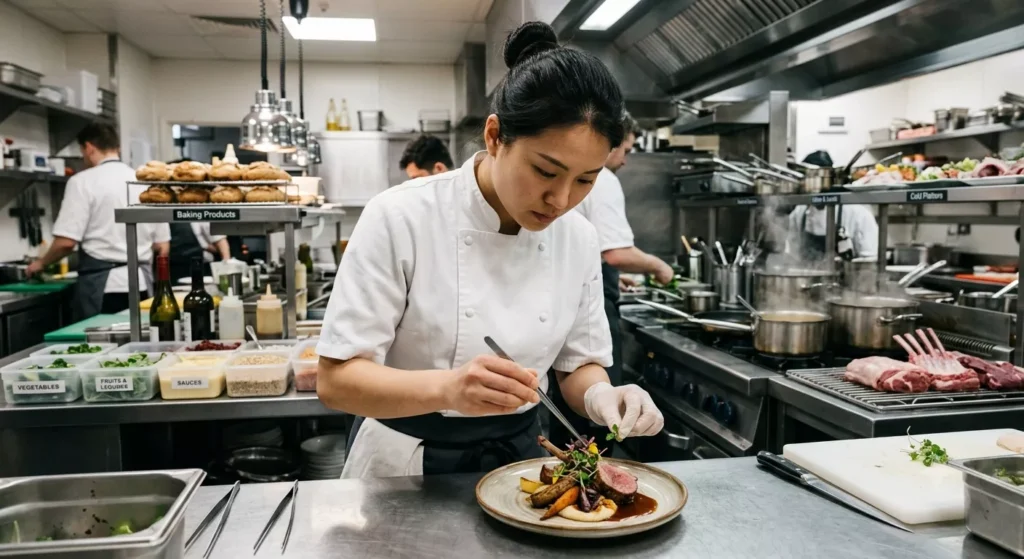

- Molecular Gastronomy
- Sous vide
- Gelification
- Foam, etc
- Prepare, Cook & Finish Fish & Shellfish Dishes
- Prepare, Cook & Finish Meat, Poultry & Offal
- Prepare, Cook & Finish Hot & Cold Desserts and Puddings
- Catering Operations, Costs & Menu Planning
- Culinary Arts Principle
- Plated Dessert
Stage Two
Real Kitchen Apprenticeship Rotations
(16 months)
- Assigned to partner employer kitchens
- Hands-on participation in actual roles
- Mentor evaluations and feedback
Your realistic monthly routine
6 days
Rest
3 days
On-campus practical training
1 day
Online theory lessons
Living and Financial Arrangements
The full 18-month program is a complete training plan, covering both professional instruction and hands-on practical experience.
Accommodation
Provided by the employer
Meals Included
Depends on employer
Monthly Allowance
RM 700 excluding overtime pay
Is This Program Right for You?
Suitable if you:
- Have clear goals and are willing to commit to the kitchen industry
- Face family financial pressure and want to become independent early
- Can handle hard work and strict discipline
Not suitable if you:
Expect an easy learning experience
Need a lot of personal free time
Are not yet ready for a professional workplace environment
WHY Sign a Commitment Agreement?
- Institution: Ensure promised benefits and protections
- Student: Fulfill responsibilities and gain certification & career opportunities
- Industry Partner: Provide compliant placements and practical support
What if it doesn’t fit midway?
Monitoring and guidance system
Formal evaluation meetings
Transition or orderly exit arrangements
We'd rather be called "Strict" than "Unclear".
Any culinary course that promises “easy and a great future”
is worth asking one more question: Is that really possible?
Truly responsible education doesn’t promise success —
it refuses to lie about failure.
Meet Your Instructors
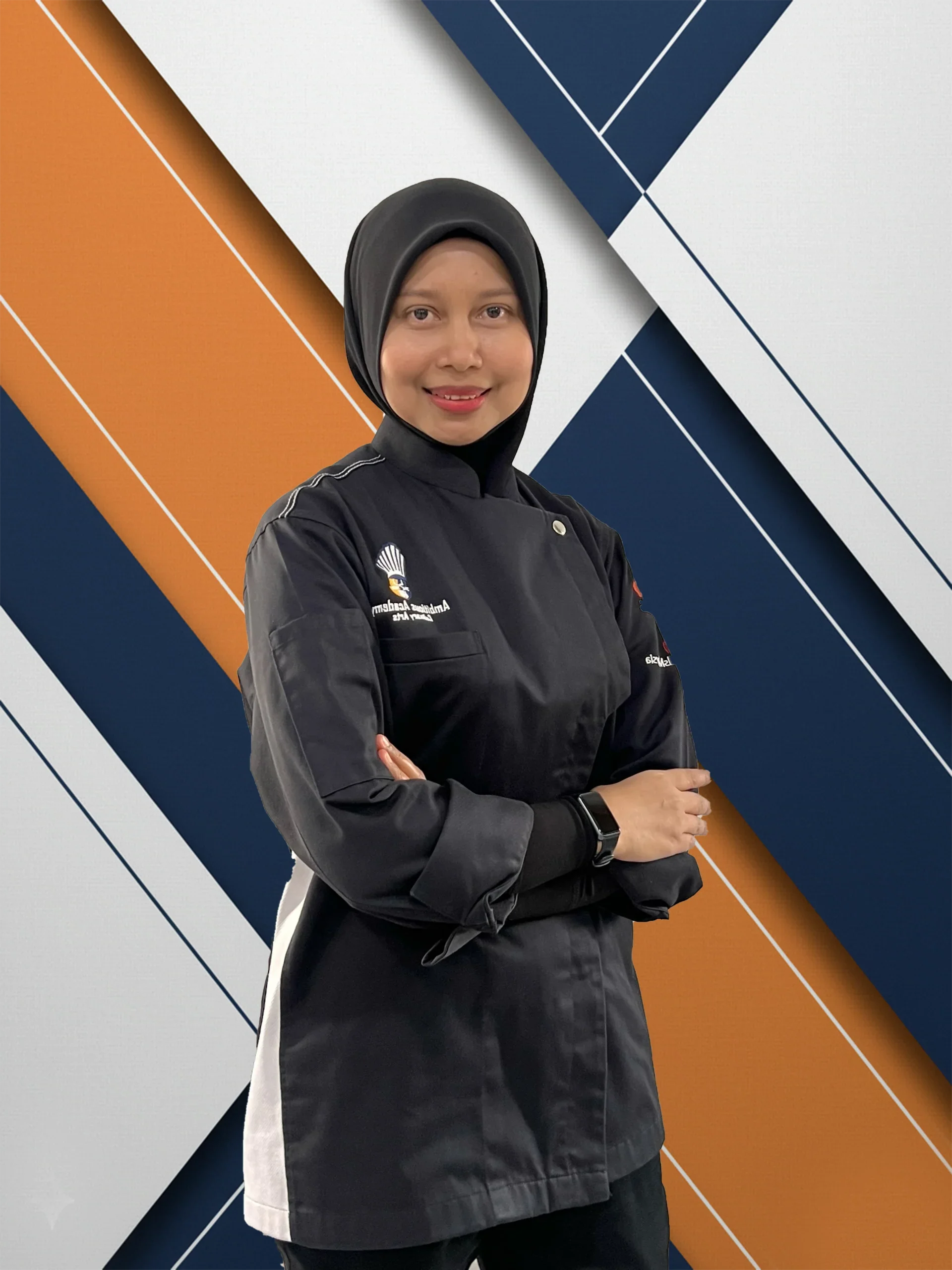
Chef Norfisah Binti Mohamad Nudin
🎓 Diploma in Food Technology
🥉 Bronze Medalist – International Fruit & Vegetable Carving Competition
🥈 Silver Medalist – Signature “Nasi Lemak” Culinary Contest
🌿 Advocate for food innovation and local fusion cuisine
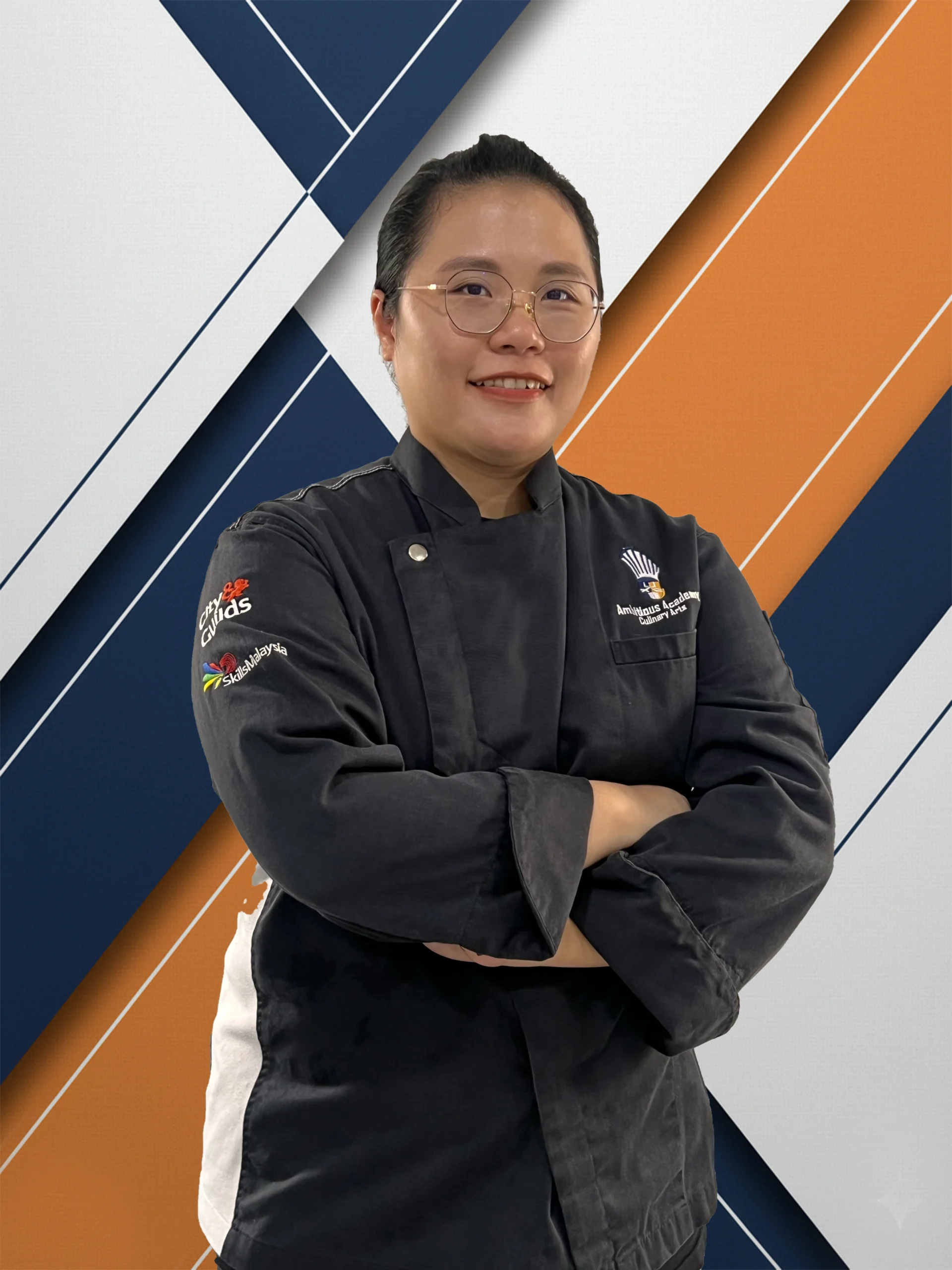
Chef Chai Ming Sia
🎓 Bachelor’s Degree in Culinary Arts (Taiwan)
✅ Certified in Customer Service Excellence
🏅 Malaysian Record Holder – Molecular Gastronomy
🍞 Expert in artisanal baking and kitchen operations
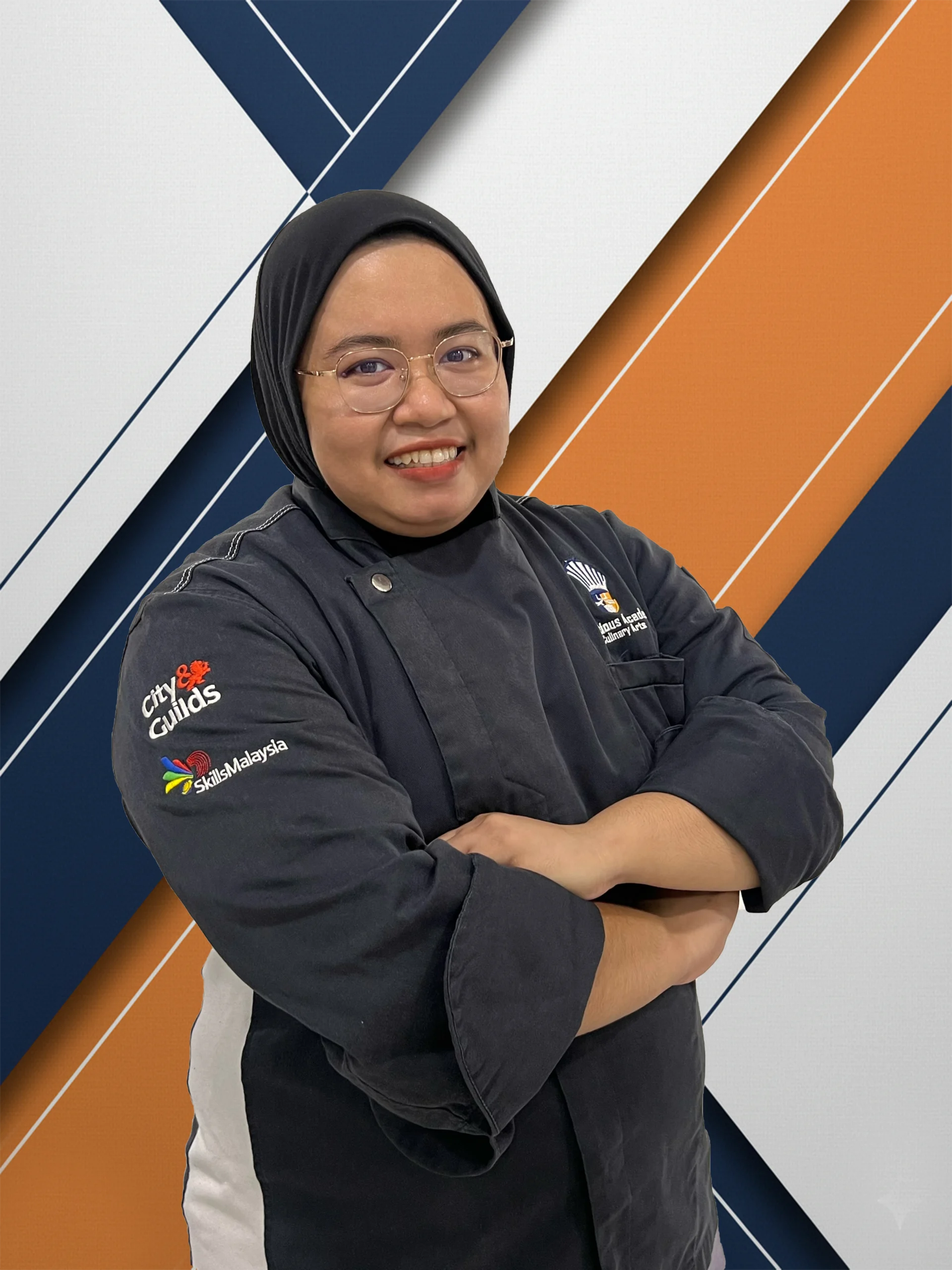
Chef Ainur Fariha Binti Yusof
🎓 Diploma in Hotel Management (Malaysia)
✅ Certified Molecular Gastronomy Trainer
🏆 Champion – National Modern Western Cuisine Competition
🍽️ Specializes in classic French techniques and creative plating
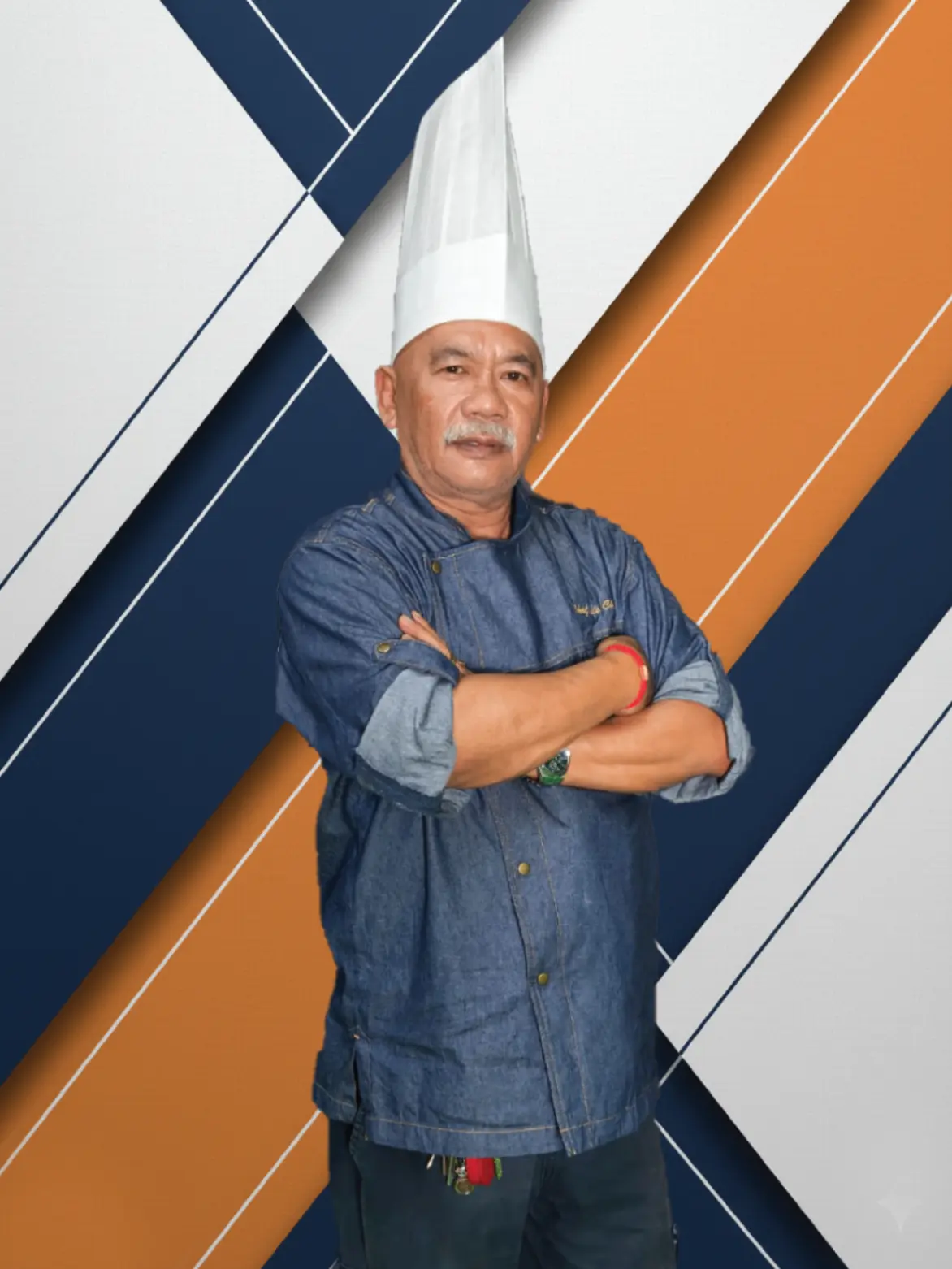
Chef Chuah Eng Kim
Expertise: Culinary Arts, Professional Cooking & Hospitality Operations.
Chef Chuah Eng Kok is an experienced culinary professional with extensive industry experience in hotels, restaurants, and international hospitality operations. He received professional chef training from CAC Academy Penang and has worked with well-known establishments in Malaysia, Singapore, Thailand, and Indonesia.
Currently serving as the Head of Culinary Programme at Ambitious Academy, Chef Eric is committed to providing hands-on culinary training and preparing students with practical industry knowledge and professional kitchen skills.
Frequently Ask Questions
This program is a Diploma in Food Preparation & Culinary Arts with AI, combining City & Guilds international certification and Sijil Kemahiran Malaysia (SKM) government certification, delivered through a work-and-study practical model.
Students not only learn traditional culinary skills and AI-assisted menu design, but also gain hands-on experience in real kitchen environments, developing management skills with the goal of progressing to Executive Chef.
The program runs for 18 months, using a 70% hands-on + 30% theory teaching structure.
Each month, students attend 3 practical sessions and 1 online lesson, covering modules such as molecular cuisine and AI-assisted culinary applications.
Throughout the program, students progressively master skills from basic cooking to kitchen management, while completing internship tasks in partner restaurants.
Upon completion, students receive dual diploma certifications (City & Guilds + SKM).
During the internship, students receive a basic allowance and meal benefits.
For detailed income arrangements, please contact our course advisors directly.
(Note: Under the work-and-study model, students can use internship income to offset tuition costs, and there is no need to repay an education loan after graduation.)
Yes, the work-and-study program is challenging.
Students need to manage both learning and work responsibilities, while honing discipline and stress-management skills in a fast-paced, high-standard kitchen environment.
But this is precisely part of professional training:
students gain hands-on experience in real kitchens, while classroom learning systematically strengthens their theoretical knowledge.
The program is designed to help students enter the career ladder early, avoiding the “zero experience after graduation” dilemma.
Yes, students are required to sign a Learning and Internship Agreement before enrollment.
The agreement is designed to protect the rights of students, the academy, and partner restaurants, ensuring the training process is structured and supported, and minimizing the risk of dropout.
The agreement is fully transparent, and students can consult the course advisor if they have any questions.
Before deciding, make sure you fully understand this path
This isn’t an easy course — but it is a path that works
Please fill in your details, and our course advisor will be in touch with you soon.
*Privacy Statement: Your information will be kept strictly confidential and used solely for course enquiries or registration purposes.